
A single system for the full readiness lifecycle.
EvalHero is organized around a simple operational question: what does a person need to learn, demonstrate, complete, acknowledge, or have approved before the organization can consider the work finished? The platform connects each stage so leaders do not have to reconstruct the answer from separate tools.
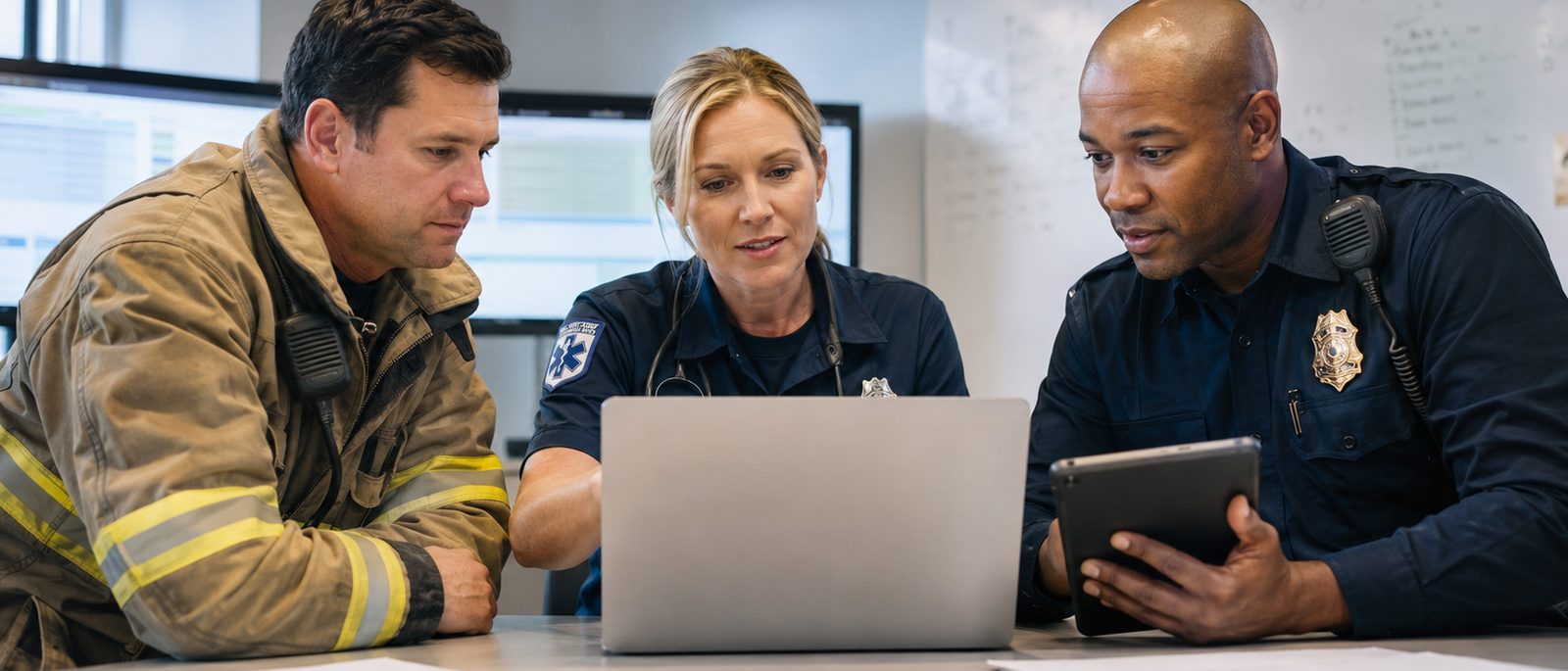
Why organizations need a connected readiness system
EvalHero is organized around a simple operational question: what does a person need to learn, demonstrate, complete, acknowledge, or have approved before the organization can consider the work finished? The platform connects each stage so leaders do not have to reconstruct the answer from separate tools.
Common problems you might be facing
- Disconnected training, evaluation, and compliance records make it difficult to understand the status of a person or program.
- Organizations recreate the same users, standards, assignments, and reporting logic across multiple systems.
- A completed course can be mistaken for demonstrated competence when no field evaluation or skill observation has occurred.
What EvalHero helps the organization do
Standards-driven builders
Create forms, taskbooks, courses, policies, skills, and reusable templates around the organization’s own expectations.
Assignment and responsibility
Define who must complete the work, who is being evaluated, who can review it, and what happens next.
Evidence-backed completion
Capture ratings, comments, files, signatures, attestations, and completion context instead of relying on an unexplained checkbox.
Workflow and accountability
Use approvals, disputes, acknowledgments, and work history to preserve responsibility and decision context.
Readiness intelligence
See completed, pending, overdue, passed, failed, observed, and not-yet-observed work at the person and organization level.
How the workflow works
- Build or import the standard.
- Assign the correct people and permissions.
- Complete the work and collect evidence.
- Review, approve, sign, attest, or dispute as required.
- Use analytics to determine the next action.
Operational outcomes
- Less duplicate administration
- A clearer source of truth
- Better continuity between learning and field performance
- More useful records for coaching, review, and audit
Important boundaries
- EvalHero supports the organization’s training, evaluation, documentation, and workflow process. It does not replace the organization’s legal, medical, employment, regulatory, accreditation, or operational judgment.
- The organization defines the applicable standard, authorized roles, retention requirements, passing rules, and final decisions.
Frequently asked questions
What makes EvalHero different from a collection of digital forms?
The platform treats the form as part of a larger workflow. Assignments, subjects, evaluators, review gates, signatures, evidence, disputes, skill tags, analytics, and history remain connected to the resulting record.
Can an organization start with one workflow?
Yes. A focused first implementation—such as a probationary taskbook, QA/QI review, or annual skills evaluation—can establish the operating model before additional workflows are added.
Does every workflow have to use every module?
No. Organizations can use the components required by the workflow and keep the experience as simple as the process allows.
More than software
A partner in your training program—not just a platform.
EvalHero works alongside departments and organizations of every size—from a 3-person volunteer crew to a 3,000+ member agency. We don’t hand you a login and disappear: we help you build your training program, structure your evaluations, and set the readiness goals your organization is aiming for.
White-glove onboarding
We migrate your records, recreate your forms and taskbooks, and configure workflows with you—done for you, not dumped on you.
Program design help
We help structure training tracks, evaluation cycles, and approval chains that match how your organization actually operates.
Goals & readiness planning
We work with your leadership to define readiness targets and the reporting to prove progress—then help you get there.